The Frugal Aviator: A Guide to Low-Cost Flying Lessons
- mayaflyair
- Mar 5, 2025
- 2 min read

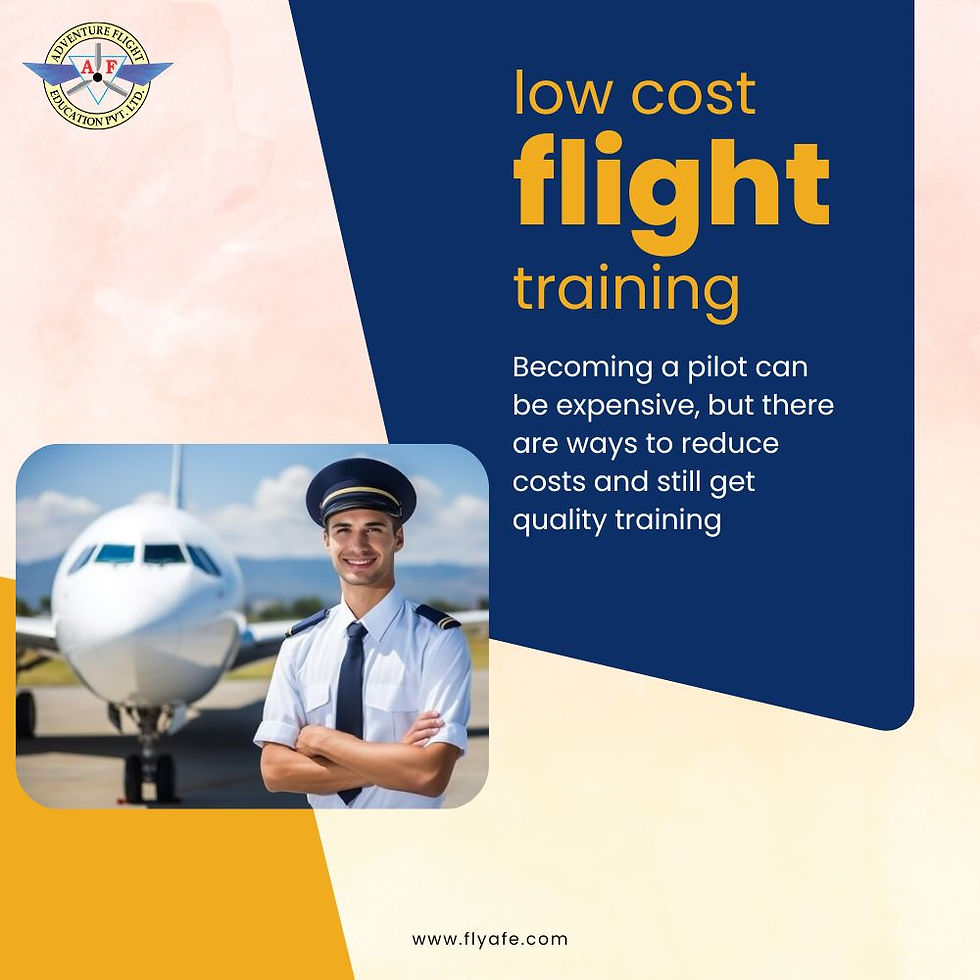
Becoming a pilot is a dream for many, but the high costs of flight training can be discouraging. However, with smart planning and low cost flight training options, you can achieve your aviation goals without breaking the bank. Here’s a guide to making flight training more affordable.
A Guide to Low-Cost Flying Lessons
Choose the Right Flight School
Not all flight schools charge the same rates. Compare different schools and look for those offering competitive prices, discounts, or bundled training packages. Consider community colleges or universities with aviation programs, as they sometimes offer lower tuition fees.
Opt for a Part 61 School
Part 61 and Part 141 flight schools have different training structures. Part 61 schools often allow for more flexibility, meaning you can train at your own pace and save money by spacing out lessons or flying with independent instructors.
Buy Used Training Materials
Flight training requires books, headsets, charts, and other materials. Instead of buying everything brand new, look for second-hand gear from online marketplaces, aviation forums, or former students.
Choose an Affordable Aircraft
Training on a fuel-efficient aircraft like a Cessna 150 or Piper Tomahawk can help you save on rental fees and fuel costs. Ask flight schools if they offer cheaper aircraft for training.
Use Flight Simulators
Modern flight simulators can significantly reduce the hours you need in an actual aircraft. Home simulators, such as Microsoft Flight Simulator or X-Plane, provide valuable practice for procedures, navigation, and emergency scenarios at a fraction of the cost.
Fly More Often
While it may seem counterintuitive, flying more frequently can actually save you money in the long run. Longer gaps between lessons can lead to more review time, increasing the total hours needed to complete your training.
Apply for Scholarships and Grants
Many organizations, such as AOPA and EAA, offer scholarships for student pilots. Research available grants and apply to as many as possible to reduce your training expenses.
Find a Training Partner
Pairing up with another student can help you share costs. Observing their lessons and discussing flight concepts together can accelerate your learning while reducing flight hours.
Work at a Flight School
Some flight schools offer discounts to employees. Working as a dispatcher or assistant can help you earn flight credits and reduce training costs.
Conclusion
Flight training doesn’t have to drain your savings. With low cost flight training, choosing the right school, flying efficiently, and taking advantage of cost-saving opportunities, you can earn your wings without overspending. The sky is within reach, even on a budget.


Comments